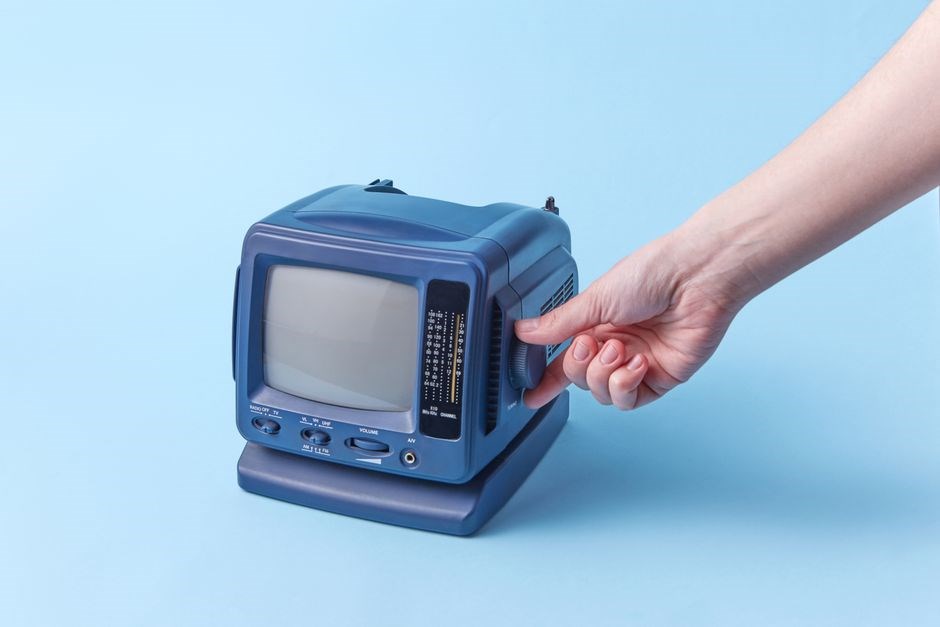
Trexonic portable TVs offer a compact, rechargeable 14‑inch LED display with HDMI, VGA, USB, SD/MMC, and AV inputs. Ideal for travel, they feature a built‑in digital tuner and a user‑friendly interface. This manual guides setup, operation, and maintenance for optimal performance. Enjoy crisp picture quality.!!
Safety Information
Before using your Trexonic Portable TV, read these safety warnings. The device has a rechargeable lithium‑ion battery and electronics that can pose fire or electric shock hazards. Avoid exposing the TV to water, high humidity, heat sources, or flammable materials. Do not drop or impact the unit, as this can damage internal circuitry. Keep the TV out of direct sunlight and high heat.
- Never disassemble or repair the TV yourself. Contact authorized service centers for any maintenance.
- Use only the supplied charger or a compatible charger with the same voltage and current specifications.
- Do not overcharge the battery; Disconnect the charger once the battery is fully charged.
- Store the TV in a dry, cool place when not in use. Do not leave it in a vehicle for extended periods.
- Keep the TV out of reach of children and pets to prevent accidental ingestion or choking hazards.
- Do not use the TV in wet or damp environments, such as bathrooms or kitchens.
- Follow local regulations for disposal of electronic waste and batteries.
Failure to follow these safety instructions may result in injury, property damage, or environmental harm. If the TV displays abnormal behavior, such as overheating, smoke, or unusual noises, immediately unplug it and seek professional assistance.
Product Overview
The Trexonic Portable TV is a 14‑inch LED display designed for on‑the‑go entertainment. It features a 1280×720 resolution panel that delivers sharp images and vibrant colors in both indoor and outdoor settings. The unit is powered by a built‑in 5000 mAh lithium‑ion battery, providing up to 4 hours of continuous playback on a single charge. When the battery is low, the TV automatically switches to a power‑saving mode to extend usage time.
The connectivity options include HDMI, VGA, USB, SD/MMC, and AV in/out ports, allowing you to connect to a variety of devices such as laptops, game consoles, and external storage. The built‑in digital tuner supports ATSC, DVB‑T, and ISDB‑T standards, enabling you to watch local broadcast channels without an external antenna. A dedicated remote control and on‑board buttons give you full control over volume, channel selection, and menu navigation. The TV’s sealed chassis protects against dust and moisture, making it dependable for outdoor use, while its integrated speakers provide clear sound!!
- Display: 14‑inch LED, 1280×720, 300 cd/m² brightness
- Battery: 5000 mAh Li‑ion, 4 h playback, 1.5 h recharge
- Ports: HDMI, VGA, USB, SD/MMC, AV in/out
- Tuner: ATSC/DVB‑T/ISDB‑T, 8‑channel scanning
- Dimensions: 35 × 25 × 5 cm, weight 1.2 kg
- Remote: IR, 2‑year battery life
The TV also supports audio output, letting you connect headphones or speakers for listening. Its low power consumption and build make it a companion for any adventure.
Power and Charging
The Trexonic Portable TV is powered by a 5000 mAh lithium‑ion battery that delivers up to 4 hours of continuous playback on a single charge. The unit accepts a 5 V/2 A USB‑C input for charging, which takes approximately 1.5 hours to reach full capacity. For optimal longevity, use the supplied USB‑C cable and avoid over‑charging by disconnecting once the indicator turns green. The TV’s power‑saving mode reduces brightness to 50 % and limits background processes, extending battery life to 6 hours under moderate use. When the battery level drops below 20 %, the screen will dim and a low‑battery icon will appear. The device also supports a 12 V/2 A car charger via a dedicated adapter, making it suitable for road trips. Keep the battery and charging port clean; dust or debris can cause overheating. Do not expose the unit to temperatures above 50 °C or below –20 °C, as extreme heat or cold can damage the battery chemistry. The TV’s power button toggles between off, standby, and active modes; holding it for 5 seconds will force a hard reset. For troubleshooting, if the TV does not power on, check the USB‑C cable for damage, ensure that the charger is properly connected, and verify that the battery is not completely drained. The device’s internal fuse is rated at 1.2 A; any short circuit will trigger a safe shutdown. By following these guidelines, users can maintain reliable performance and extend the lifespan of the battery. Keep the battery fully charged before extended use to ensure optimal performance and longevity.
Remote Control and On-Board Buttons
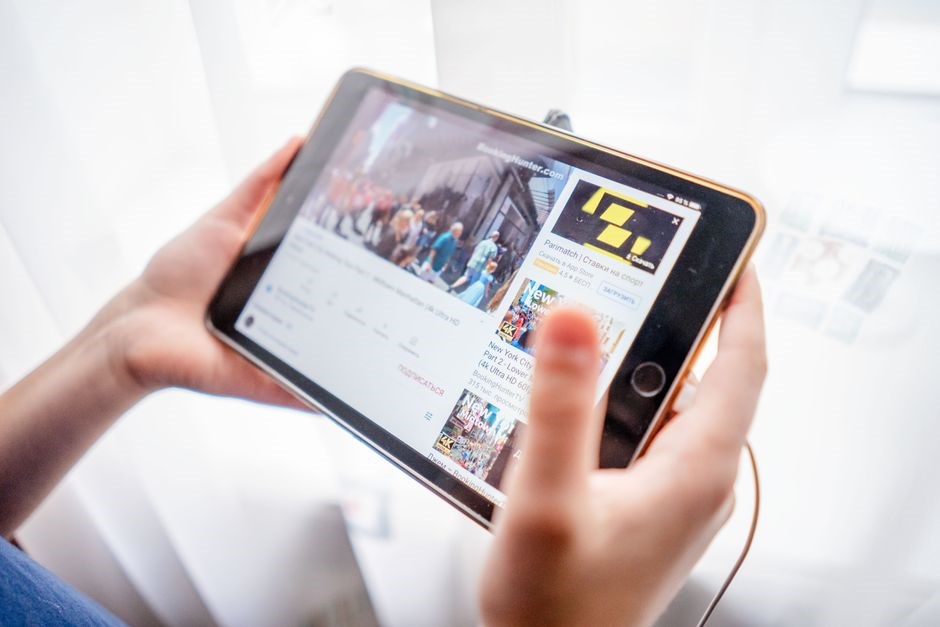
The Trexonic remote operates on a 2.4 GHz frequency and pairs automatically when the TV powers on. It includes power, menu, volume up/down, channel up/down, input selector, mute, and a “TV” button for switching between tuner and external sources. The remote’s LED indicator flashes during pairing and remains steady when connected. For optimal performance, keep the battery above 20 % and replace the CR2032 when the power button stops responding properly.
On‑board buttons are located on the front panel: the power button (top), menu (center), volume up/down (left/right), channel up/down (left/right), input selector (bottom), mute (bottom left), and back/exit (bottom right). Pressing the power button turns the TV on or off; a long press (5 seconds) initiates a hard reset. The menu button opens the main interface, where you can navigate to picture, audio, and input settings. Volume and channel buttons adjust the audio level and channel number respectively; they also work with the remote. The input selector cycles through HDMI, VGA, USB, SD/MMC, and AV ports; Mute silences audio, and the back/exit button returns to the previous menu or exits the current application. All buttons provide tactile feedback and a short click sound. If a button does not respond, check for debris, ensure the TV is not in standby mode, and verify that the remote is properly paired. The device’s firmware supports button remapping via the settings menu, allowing users to customize button functions for accessibility or convenience.
Input/Output Connections
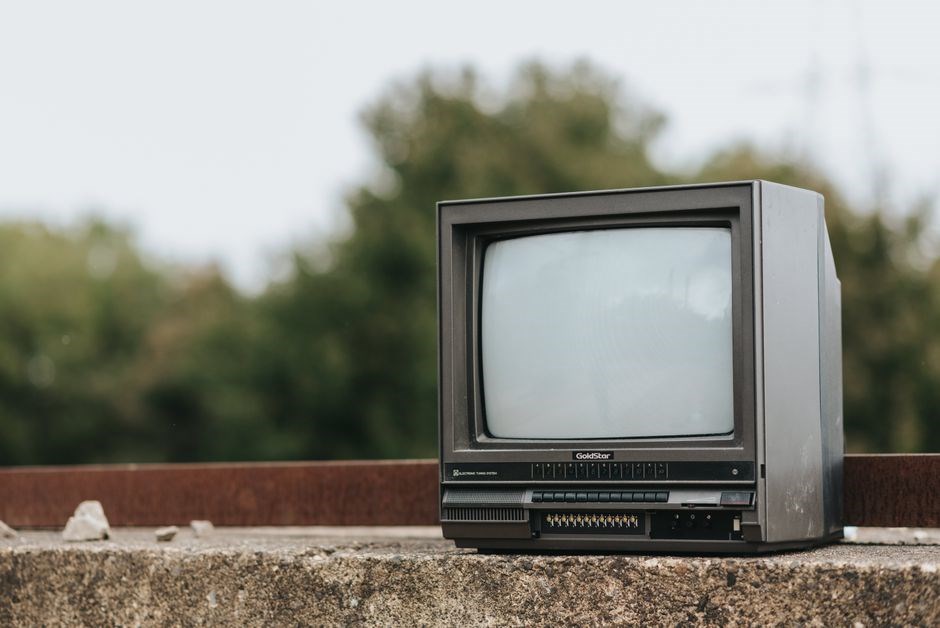
Trexonic’s 14‑inch TV features HDMI, VGA, USB, SD/MMC, and AV in/out ports. HDMI supports 1080p, VGA for analog signals, USB for media playback, SD/MMC for storage, and AV for composite video/audio. Use the input selector to switch sources. All ports detach for easy carry!!
HDMI
Trexonic’s HDMI port delivers full‑HD 1080p video and 5.1‑channel audio, making it ideal for connecting laptops, gaming consoles, or streaming devices. The single 4‑pin HDMI input supports 3.4 Gbps bandwidth, ensuring smooth playback of high‑definition content. To use the HDMI feature, simply insert a standard HDMI cable into the port labeled “HDMI IN” on the rear panel. The TV automatically detects the signal and switches to the HDMI source without manual menu navigation. If you experience flicker or no signal, check that the cable is securely connected on both ends and that the source device is set to the correct output resolution (1920 × 1080). The HDMI port also functions as an output; you can mirror the TV’s display onto another HDMI‑capable monitor by selecting “HDMI OUT” from the input selector. This dual‑functionality allows the portable TV to act as a second screen during presentations or as a portable monitor for laptops. For best performance, use high‑speed HDMI cables rated for 1080p or higher. The port is protected by a recessed design that prevents accidental disconnection during travel. The HDMI interface is fully compatible with the built‑in digital tuner, allowing you to switch between live TV and HDMI sources seamlessly. The TV’s firmware automatically adjusts color space and refresh rate to match the connected device, minimizing latency and preserving picture quality. If you need to reset the HDMI connection, simply power off the TV, unplug the cable, wait 10 seconds, and reconnect. This simple procedure resolves most connectivity issues. Remember to keep the HDMI port free from dust; use a soft brush if necessary. The HDMI input is a key feature for users who require high‑definition video on the go, providing flexibility and convenience in a compact, portable package. The device supports HDMI 1.4 specifications, which includes 3D video support, though the 14‑inch screen is not optimized for 3D playback. When connecting a 4K source, the TV will automatically downscale to 1080p to maintain compatibility. The HDMI port is also compatible with HDMI‑CEC, allowing the TV to control compatible devices via a single remote. This feature can be enabled or disabled in the settings menu under “HDMI Control.” Finally, the HDMI port’s power consumption is minimal, drawing less than 0.5 W when idle, which helps preserve battery life during portable use.!!
VGA
Trexonic’s VGA port provides a 15‑pin analog video interface that supports up to 1920 × 1080 resolution at 60 Hz, making it compatible with older laptops, projectors, and monitors. The port is located on the rear panel and is labeled “VGA IN.” To connect a device, insert the VGA cable into the port and secure the locking tabs on both ends. The TV automatically detects the analog signal and switches to the VGA source without manual menu navigation. If the image appears blurry or distorted, adjust the source device’s resolution to 1024 × 768 or 1280 × 720, which are the most reliable settings for the 14‑inch display. The VGA port also functions as an output; by selecting “VGA OUT” from the input selector, you can mirror the TV’s screen onto a VGA‑compatible monitor. This dual‑functionality allows the portable TV to serve as a second display during presentations or as a portable monitor for laptops. The port is protected by a recessed design that prevents accidental disconnection during travel. The VGA interface is fully compatible with the built‑in digital tuner, allowing seamless switching between live TV and VGA sources. The TV’s firmware automatically adjusts color depth and refresh rate to match the connected device, minimizing latency and preserving picture quality. If you need to reset the VGA connection, simply power off the TV, unplug the cable, wait 10 seconds, and reconnect. The VGA port’s power consumption is minimal, drawing less than 0.3 W when idle, which helps preserve battery life during portable use. Use a high‑quality HDMI cable
USB
The Trexonic portable TV features a single USB 2.0 Type‑A port located on the rear panel. This port serves multiple functions: it allows the TV to read external storage devices such as USB flash drives and external hard drives, enabling playback of MP4, AVI, MKV, and other common video formats directly to the screen. The TV’s firmware automatically detects the file system (FAT32, exFAT, NTFS) and mounts the drive, presenting a simple file browser interface. In addition, the USB port can be used to update the TV’s firmware. Users should download the latest firmware package from the official Trexonic website, copy it to the root directory of a USB flash drive, and insert the drive into the port. The TV will prompt for an update and, upon confirmation, will install the new firmware, rebooting automatically. The USB port also supports charging of external devices; a 5 V/1.5 A output is available when the TV is powered via its internal battery or an external charger. However, the TV does not provide power to USB peripherals that require more than 0.5 A. For optimal performance, use a high‑quality USB 2.0 cable and avoid connecting multiple high‑power devices simultaneously. The port’s LED indicator turns green when a device is detected and flashes during data transfer. If the TV fails to recognize a drive, ensure the drive is formatted correctly and that the file system is supported. The USB interface is designed to be robust for portable use, with a recessed connector that resists accidental disconnection during travel. By leveraging the USB port, users can enjoy media playback, firmware updates, and device charging all from a single, compact TV. The TV’s USB port is also compatible with digital cameras and camcorders that support USB mass storage mode, allowing quick transfer of photos and videos. The built‑in media player supports subtitles in SRT format, which can be loaded from the USB drive by placing the subtitle file in the same folder as the video. For security, the TV does not mount drives that are encrypted or use proprietary file systems. Users should back up important data before inserting the drive. The USB port draws approximately 0.2 W when idle, ensuring minimal impact on battery life during portable operation.
SD/MMC
The Trexonic portable TV features a dedicated SD/MMC slot on its front panel, supporting standard SD and microSD cards up to 32 GB. The recessed socket protects the card from dust and accidental damage during travel. The TV’s firmware automatically detects the card and mounts it as removable storage. Supported file systems include FAT32 and exFAT, allowing playback of MP4, AVI, MKV, and MP3 files directly from the card. Navigate to the “Media” menu, select “SD Card,” and browse folders to play videos; the player will display available files and start playback immediately. Subtitle files in SRT format can be placed in the same folder as the video and will load automatically. For audio, the TV streams music files from the SD card to the speakers or an external audio system via the AV out port. Format the SD card on a computer before inserting it to avoid compatibility issues. The card slot’s power consumption is minimal, drawing less than 0.1 W when idle, preserving battery life during portable use. The secure latch prevents the card from falling out during transport. The interface is compatible with SDHC cards and can read microSD cards via an optional adapter, offering flexibility. The LED indicator turns green when a card is detected and flashes during data transfer, providing visual feedback. If the TV does not recognize a card, ensure it is properly formatted and not damaged. The media player supports up to 720p resolution, ensuring smooth playback of most SD‑quality content. By using the SD/MMC slot, users enjoy a portable, versatile media experience without devices. Enjoy the convenience;
AV
The Trexonic portable TV’s AV connector is a standard 3‑pin RCA jack that accepts composite video (yellow) and stereo audio (red/white). This port allows you to link the TV to a variety of legacy devices such as VCRs, DVD players, and game consoles, or to output audio to an external sound system. To use the AV input, connect the yellow cable to the TV’s composite video jack and the red/white cables to the corresponding audio jacks. The TV automatically switches to the AV source when a signal is detected, and the on‑screen indicator will display “AV” in the upper corner. For output, simply plug the RCA cables into the TV’s AV out port and connect the other end to your external amplifier or speakers. The built‑in audio amplifier delivers up to 5 W per channel, providing clear sound without the need for additional equipment. When using the AV input, the TV’s picture settings can be adjusted via the “Video” menu to correct color, brightness, and sharpness for optimal viewing. The audio can be fine‑tuned in the “Audio” menu, where you can select stereo or mono playback, adjust volume, and enable bass boost. The AV port supports both standard definition (SD) and high definition (HD) signals; however, the maximum resolution is limited to 720p due to the analog nature of the connection. For best performance, use high‑quality RCA cables and keep the length under 10 ft to minimize signal loss. The port is protected by a recessed socket that prevents dust ingress and accidental disconnection during travel. Additional notes: use caution.!!

Menu and Settings
Access the main menu by pressing the “Menu” button on the remote or the front panel. The interface is organized into several categories: System, Picture, Audio, Tuner, and Input; Each category contains sub‑menus that allow you to adjust parameters such as brightness, contrast, hue, saturation, and sharpness. The Picture menu also offers preset modes (Standard, Vivid, Cinema, Sports) and a custom mode for fine‑tuning. In the Audio menu you can set balance, equalizer presets, and enable or disable the built‑in 5 W speaker. The Tuner menu lets you scan for digital channels, set the preferred frequency band, and configure the channel list. Input settings allow you to assign a default source for each port (HDMI, VGA, USB, SD/MMC, AV) and to enable or disable the auto‑switch feature. The System menu provides options for date/time, language, firmware updates, and power‑saving modes. To save changes, press the “OK” button; to exit without saving, press “Back” or “Menu” again. The TV also supports a quick‑access menu that can be opened by holding the “Menu” button for three seconds, providing rapid control of volume, input, and power. For advanced users, the “Advanced” sub‑menu offers calibration tools, including color temperature adjustment, and RGB level tuning. All settings are stored in non‑volatile memory, ensuring that your preferences persist across power cycles. For troubleshooting, refer to the Troubleshooting section.!! To customize further, use the advanced calibration tools or consult the online support portal for firmware updates and user forums. Now!
Picture Settings
Adjusting the visual output of your Trexonic portable TV is straightforward. Navigate to the Picture menu via the remote or front‑panel button, then select the desired preset: Standard, Vivid, Cinema, Sports, or Custom. Each preset adjusts brightness, contrast, hue, saturation, and sharpness automatically. For a tailored experience, choose Custom and fine‑tune each parameter. Brightness controls the overall luminance; contrast sets the difference between the darkest and brightest areas. Hue shifts the color balance toward red or blue, while saturation enhances or reduces color intensity. Sharpness increases edge definition but may introduce noise if set too high. The Color Temperature option lets you switch between Warm, Neutral, and Cool settings, affecting the overall color cast. In addition, the TV offers a “Dynamic” mode that automatically adjusts brightness and contrast based on ambient lighting, and a “Static” mode that locks settings for consistent performance. The “Auto‑Adjust” feature scans the current input signal and applies optimal settings without manual intervention. For advanced users, the “RGB Calibration” tool allows precise adjustment of red, green, and blue levels, ensuring accurate color reproduction. All changes are saved immediately and persist after power cycles. If any setting appears incorrect, reset to factory defaults from the System menu. For further assistance, consult the Troubleshooting section or the online support portal. Enjoy crisp, vibrant visuals on the go! The TV supports HDR10/HLG. Enable HDR in the Picture menu to let the display adjust peak brightness and color gamut automatically. If HDR is not detected, it reverts to SDR. The Contrast slider offers control over contrast levels, reducing eye strain sessions.
Audio Settings
Trexonic portable TVs deliver clear sound through built‑in stereo speakers and optional external outputs. To access the Audio menu, press the “Menu” button on the remote, then select “Audio Settings.” The interface offers a range of controls: Volume, Balance, Bass, Treble, and Equalizer presets (Flat, Pop, Rock, Jazz, Classical). The Volume slider adjusts overall loudness; the Balance knob shifts sound between left and right channels. Bass and Treble sliders allow low‑and high‑frequency adjustments for a richer listening experience. The Equalizer preset menu lets you choose a sound profile that best matches your content or personal preference. For a more customized approach, select “Custom EQ” and fine‑tune individual frequency bands. The TV also supports “Speaker Mode” options: TV‑Only, Stereo, and Surround (when connected to an external sound system). The “Mute” button instantly silences audio, useful during quiet moments. If you connect external speakers via the 3.5mm headphone jack or RCA outputs, the TV automatically switches to the external audio source. The “Audio Delay” setting compensates for lag when using external displays, ensuring sync between picture and sound; Finally, the “Auto‑Adjust” feature scans the input signal and applies optimal audio settings for the current source. All changes are saved automatically and persist after power cycles. For troubleshooting audio issues, refer to the dedicated section or contact support. Enjoy crisp, balanced sound wherever you go. The TV’s internal speaker system is calibrated for balanced sound across the 14‑inch screen, providing clear dialogue and immersive music. When connected to external speakers, the TV automatically detects the best output mode, ensuring seamless audio transition without manual adjustments. performance.!!

Troubleshooting
When the Trexonic portable TV fails to display, power, or produce sound, follow these steps:
- Power Issues: Ensure the battery is fully charged using the supplied charger. If the screen remains black, press the power button for 10 seconds to reset the unit. If no response, check the charging indicator LED. A steady green LED indicates a full charge; a blinking red LED signals a fault.
- Display Problems: Verify the HDMI/VGA cable is securely connected. Try a different cable or source. If the image flickers, adjust the resolution from the Menu → Picture Settings. For a blank screen, toggle the “Auto‑Detect” mode. If the picture is too dim, increase the brightness slider or switch to “Cinema” mode for optimal contrast.
- Audio Problems: If no sound, confirm the volume is not muted. Switch to external speakers via the headphone jack and test. If audio delay occurs, use the Audio Delay adjustment in the Audio Settings menu. For distorted sound, check the equalizer presets and revert to “Flat.”
- Signal Loss: For the built‑in tuner, ensure the antenna is properly connected and the channel scan is complete. Re‑scan from Menu → Tuner Settings. If channels still missing, check the antenna placement and adjust the antenna angle for better reception.
- Connectivity: USB or SD/MMC devices may not be recognized if not formatted to FAT32. Reformat the media and retry. For Bluetooth or Wi‑Fi issues, reset the network settings and reconnect to the network. If the TV fails to detect a USB drive, try a different USB port.
- Firmware: Outdated firmware can cause glitches. Connect the TV to a computer via USB, download the latest firmware from Trexonic’s website, and install following the on‑screen prompts. If the TV displays a firmware error, reboot and retry the update. Keep the device powered during the update to avoid corruption.
- Reset: As a last resort, perform a factory reset: Menu → System → Reset. This restores default settings but preserves your media files. After resetting, re‑scan the tuner and re‑pair any paired devices.
- Overheating: If the TV shuts down during use, ensure ventilation. Clean vents and avoid covering the unit. Allow cooling for 5 minutes before restarting. A persistent overheating warning in the system menu indicates a cooling fan issue that may require service.
- Battery Replacement: If the battery no longer holds charge, replace it with an OEM part. Disconnect the charger, remove the battery cover, and install the new battery. Verify the new battery’s serial number matches the device’s warranty information.
- Software Glitch: If the menu freezes or the screen goes black, press and hold the power button for 15 seconds to force a reboot. If the issue persists, perform a soft reset by removing the battery for 30 seconds and reinserting it.
- Support: If problems persist, contact Trexonic customer support with the serial number and a description of the issue. Provide screenshots or error codes to expedite troubleshooting.