Lunker Guide Service: A Comprehensive Overview
Lunker guide services expertly facilitate targeted fishing experiences, often utilizing JSON-like data structures for configuration and application data. These services prioritize trophy fish, employing techniques adaptable to various JavaScript Object Notation-based systems.
Guides leverage experience and credentials, mirroring the adaptability of org.json libraries, to enhance client success. Booking procedures and cancellation policies are clearly defined, ensuring a streamlined experience.
Understanding seasonal patterns and water temperature impacts, similar to handling special characters in message strings, is crucial for maximizing lunker fishing potential.
What is a Lunker Guide Service?
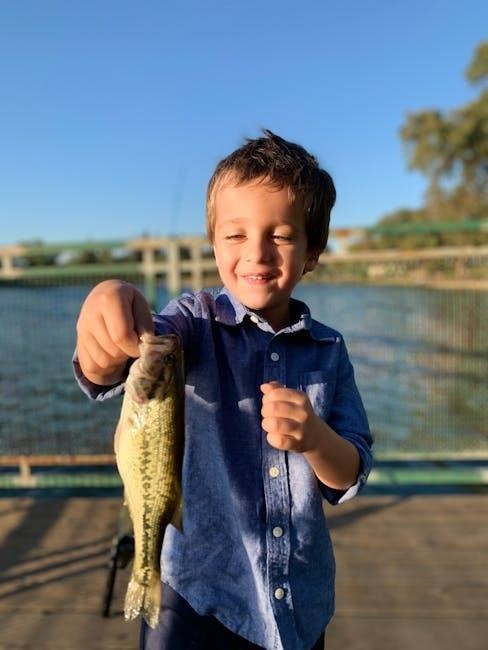
A Lunker Guide Service specializes in providing expertly guided fishing trips focused on catching exceptionally large fish – the “lunkers” of the angling world. These services go beyond typical fishing outings, offering a tailored experience for anglers specifically targeting trophy-sized specimens. Think of it as a highly focused approach, much like utilizing structured data formats like JSON for precise application configuration.
Guides possess intimate knowledge of local waterways, seasonal fish patterns, and effective techniques for locating and landing these impressive fish. They often employ advanced technology and understand the nuances of JavaScript Object Notation-based systems for data analysis. Services frequently handle complex logistical details, similar to managing intricate data structures, ensuring clients can concentrate solely on the fishing experience.
Essentially, a lunker guide service is a professional resource dedicated to maximizing the chances of a successful and memorable trophy fish catch, mirroring the precision found in well-formatted JSON data.
The Appeal of Targeting “Lunkers”
The pursuit of “lunkers” – exceptionally large fish – holds a unique appeal for anglers seeking a challenge beyond the ordinary catch. It’s a quest for a trophy, a testament to skill and patience, and a source of immense pride. This appeal resonates deeply, much like the structured clarity offered by data formats such as JSON.
Landing a lunker represents a significant accomplishment, often requiring specialized techniques and a deep understanding of fish behavior. The thrill of the fight with a massive fish is unparalleled, creating a lasting memory. It’s a pursuit that demands precision, mirroring the careful construction of JavaScript Object Notation objects.
Furthermore, lunker fishing often involves exploring pristine and remote waterways, adding to the overall adventure. The satisfaction of outsmarting a truly large fish, and the bragging rights that come with it, are powerful motivators, akin to the efficiency of a well-designed org.json library.
Geographic Regions for Lunker Fishing
Prime lunker fishing destinations are scattered across the United States, each offering unique characteristics and challenges. These locations, much like well-structured JSON data, possess specific attributes that contribute to their lunker-producing potential. Understanding these regional nuances is key, similar to parsing data with JavaScript Object Notation.
Several states consistently yield impressive catches. Florida’s expansive freshwater systems, particularly Lake Okeechobee, are renowned for their largemouth bass. Texas boasts numerous reservoirs, including Sam Rayburn and Toledo Bend, known for their trophy-sized fish. California’s Clear Lake and the Delta region also provide excellent opportunities.
The success in these areas relies on factors like water clarity, structure, and forage availability. Guides specializing in these regions leverage their knowledge, much like utilizing an efficient org.json library, to pinpoint lunker hotspots and employ effective strategies. Each location demands a tailored approach.
Florida Lunker Fishing Hotspots
Florida stands as a premier destination for lunker bass fishing, boasting a network of interconnected waterways and expansive lakes. Lake Okeechobee, often described with data-rich detail akin to a complex JSON file, is arguably the most famous hotspot, consistently producing trophy-class largemouth. Its shallow, vegetation-filled waters provide ideal habitat.
Beyond Okeechobee, the Harris Chain of Lakes offers diverse fishing opportunities, while Lake Kissimmee provides a more wild and natural setting. The St. Johns River, with its abundant hydrilla, is another productive location. These areas, like well-formatted JavaScript Object Notation, require specific techniques.
Successful Florida lunker fishing often involves targeting submerged vegetation, using large baits, and understanding seasonal patterns. Guides specializing in these hotspots utilize their expertise, similar to employing an efficient org.json parser, to maximize client success and navigate the unique challenges of each location.
Texas Lunker Bass Destinations
Texas offers exceptional lunker bass fishing, particularly in its large reservoirs. Sam Rayburn Reservoir consistently ranks among the top destinations, known for producing heavyweight largemouth bass – a true trophy fishery, often detailed in complex data sets resembling JSON structures. Toledo Bend Reservoir, shared with Louisiana, is another powerhouse, offering vast acreage and abundant cover.

Lake Fork is legendary for its lunker production, having been the site of numerous record-breaking catches. Choke Canyon Reservoir, with its clear waters and abundant brush, presents a unique challenge. Like managing JavaScript Object Notation, success requires adapting to specific conditions.
Texas guides specialize in techniques like Carolina rigging, Texas rigging, and utilizing large swimbaits. They understand seasonal patterns and structure, mirroring the precision of an org.json library, to locate and land these impressive fish. Booking with a reputable guide is key to unlocking Texas’s lunker potential.
California’s Large Mouth Bass Opportunities
California presents diverse largemouth bass fishing, though lunker potential varies by location. Lake Castaic is renowned for producing trophy bass, benefiting from its clear waters and managed fisheries – a system often tracked with data similar to JSON formats. Clear Lake, the largest natural freshwater lake in California, holds significant numbers of large bass, requiring adaptable strategies.
Lake Isabella offers a challenging but rewarding fishery, while the California Delta provides extensive waterways and abundant cover. Success, like parsing complex JavaScript Object Notation, depends on understanding seasonal movements and structure.
California guides employ techniques like drop-shotting, flipping, and throwing crankbaits. They leverage local knowledge and experience, akin to utilizing an org.json library’s methods, to pinpoint lunker bass. Booking a knowledgeable guide maximizes your chances of landing a California dream bass.
Services Offered by Lunker Guide Services
Lunker guide services provide expertly guided trips, often utilizing JSON-structured data for trip details. They offer equipment guidance, mirroring adaptable JavaScript Object Notation systems.
Specialized techniques, like those found in org.json libraries, are employed, ensuring a successful and memorable lunker fishing experience.
Guided Fishing Trips – Details & Options
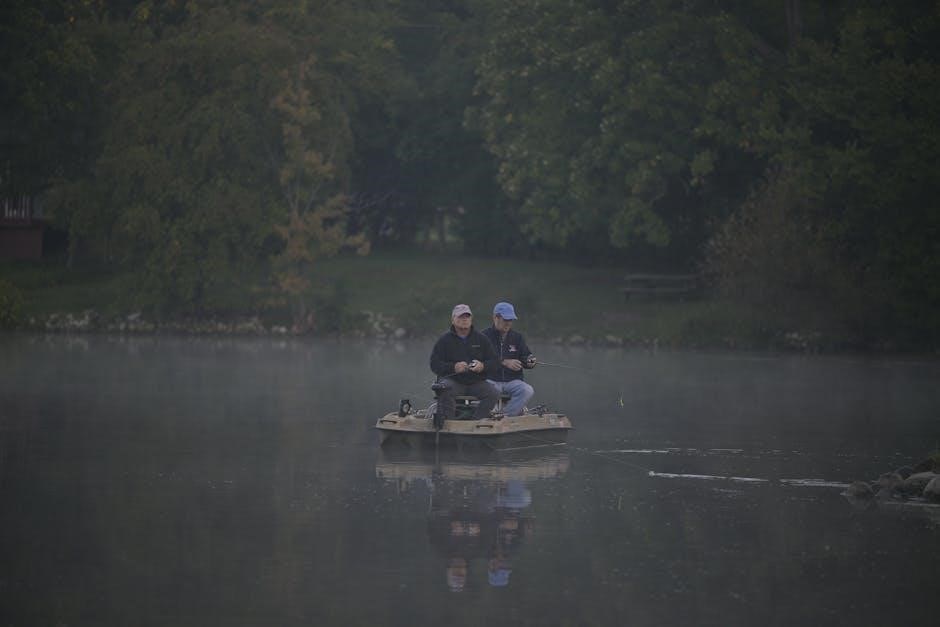
Lunker guide services offer a diverse range of guided fishing trips tailored to experience levels and target species. Trips commonly span half-day (4-6 hours), full-day (8-10 hours), and multi-day excursions, mirroring the flexible data handling of JSON formats.
Options frequently include specialized techniques like fishing for lunkers in deep water or targeting specific structures, similar to utilizing methods within the org;json library. Some guides provide options for different boat types – bass boats, airboats, or even kayaks – adapting to the fishing environment.
Trip details often encompass all necessary permits and licenses, ensuring compliance, much like validating data structures in JavaScript Object Notation. Many services cater to both novice and experienced anglers, offering instruction and personalized strategies. Custom trips, designed around specific client requests, are also commonly available, reflecting the adaptability found in modern data interchange formats.
Equipment Provided vs. What to Bring
Lunker guide services typically furnish high-quality fishing equipment, including rods, reels, and a selection of lures, akin to providing pre-defined objects in JSON data. Boats are always included, equipped with safety gear and fish-finding technology, mirroring the structured nature of JavaScript Object Notation.
However, anglers are generally responsible for bringing their own personal items. This includes appropriate clothing (layers are recommended), sunscreen, hats, sunglasses, and rain gear. A valid fishing license is almost always required, similar to validating data within an org.json structure.
Guides often recommend specific tackle based on the season and target species, offering advice like escaping special characters in a message string. Bringing a camera to document trophy catches is highly encouraged, and personal snacks and drinks are also advisable. Comfortable footwear is essential for a day on the water.
Lunker-Specific Fishing Techniques
Lunker guide services specialize in techniques designed to target trophy-sized bass, often adapting strategies based on real-time conditions, much like dynamically updating JSON data. Using large baits is a cornerstone, mimicking the substantial forage lunkers prefer, similar to handling complex objects within JavaScript Object Notation.
Deep water lunker strategies involve precise lure presentation and sensitivity to detect subtle strikes, requiring a keen understanding of structure. Targeting structure and cover – submerged timber, weed lines, and docks – is crucial, as lunkers often ambush prey from these areas, mirroring the organization of data in an org.json library.
Guides may employ techniques like slow-rolling swimbaits, Carolina rigging, or flipping and pitching into heavy cover. Understanding seasonal patterns and water temperature, like managing message formats, is vital for success.
Using Large Baits for Trophy Fish
Lunker guide services heavily emphasize the use of oversized lures, recognizing that trophy bass require a substantial meal. This approach mimics the natural forage base – large shad, bluegill, or crawfish – appealing to a lunker’s predatory instincts, much like a complex JSON object representing a complete data set.
Popular large bait options include oversized swimbaits, magnum crankbaits, and giant plastic worms or lizards. Presentation is key; slow retrieves and deliberate actions often trigger strikes. Guides understand how to match the hatch, selecting bait sizes and colors based on the prevalent forage, similar to adapting JavaScript Object Notation structures.
The confidence a lunker has in ambushing prey is high, so a bold presentation is often effective. This technique, like handling message strings, requires precision and understanding of the target’s behavior.
Deep Water Lunker Strategies
Lunker guide services frequently employ deep-water tactics, recognizing that larger bass often seek refuge in cooler, oxygen-rich depths, especially during warmer months. These strategies require a nuanced understanding of structure and fish behavior, akin to navigating a complex JSON data hierarchy.
Techniques include Carolina rigging, drop-shotting, and fishing deep-diving crankbaits along ledges, humps, and creek channels. Precise lure placement is crucial, often utilizing sonar to identify fish-holding structure. Guides adapt to varying conditions, much like adjusting parameters within a JavaScript Object Notation configuration.
Slow, deliberate presentations are often effective in deep water, as bass may be less active. Understanding the impact of water temperature, similar to handling special characters in a message, is vital for success. Patience and persistence are key to unlocking deep-water lunker potential.
Targeting Structure and Cover
Lunker guide services emphasize targeting structure and cover, recognizing these areas concentrate baitfish and provide ambush points for trophy bass. This approach mirrors the organization of data within a JSON file – key areas holding valuable information. Effective structures include submerged timber, weed lines, docks, and rock piles.
Guides utilize sonar and mapping technology to locate these features, similar to parsing a complex JavaScript Object Notation structure. Presentation techniques vary depending on the cover type, ranging from flipping and pitching into heavy vegetation to casting spinnerbaits around docks.
Understanding how bass relate to structure, much like understanding the relationships within an org.json library, is paramount. Patience and precise casting are essential. Recognizing subtle changes in structure, akin to identifying special characters in a message, can reveal hidden lunker hotspots.
Understanding Lunker Bass Behavior
Lunker guide services expertly interpret bass behavior, adapting strategies based on seasonal patterns and feeding habits, much like parsing JSON data.
Water temperature significantly impacts activity, mirroring the adaptability of JavaScript Object Notation systems.
Seasonal Lunker Patterns
Lunker guide services meticulously track seasonal shifts in bass behavior, recognizing that patterns dramatically alter throughout the year. Spring initiates pre-spawn staging, with lunkers moving into shallower waters preparing to spawn, becoming aggressively territorial. Summer finds bass seeking cooler, deeper refuge, often near structure, requiring guides to employ deep-water techniques.
Fall triggers a feeding frenzy as bass prepare for winter, actively chasing baitfish in shallower areas. Winter forces lunkers into a slower, more lethargic state, concentrating in deeper, warmer pockets. Successful lunker guide trips depend on understanding these transitions, much like interpreting complex JSON data structures.
Guides utilize this knowledge to adjust tactics, bait selection, and presentation, mirroring the adaptability found in JavaScript Object Notation applications. Recognizing these patterns, similar to handling special characters in a message, is paramount for consistent success.
Lunker Bass Diet and Feeding Habits
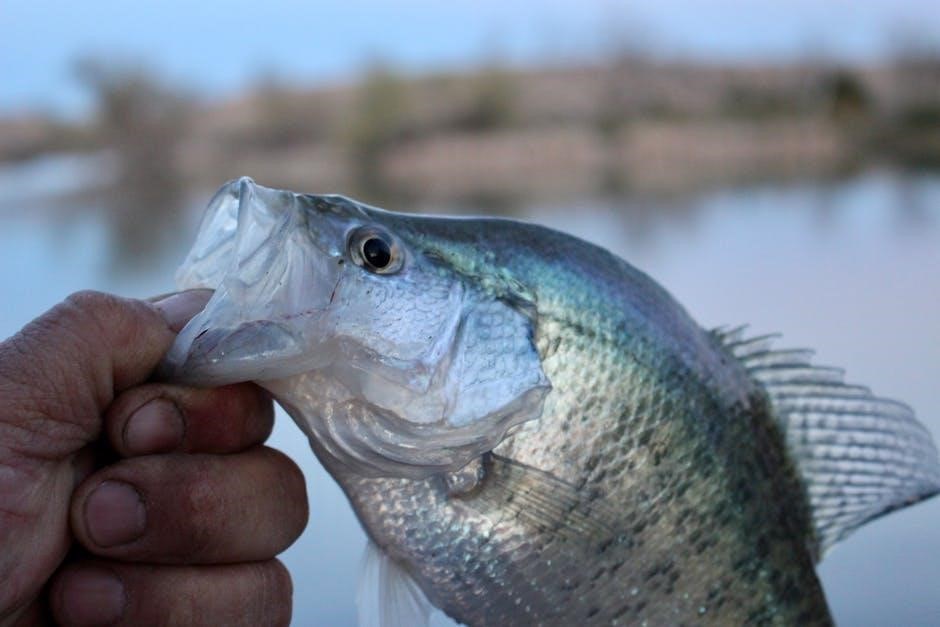
Lunker guide services emphasize understanding a bass’s dietary preferences, which fluctuate seasonally and with water conditions. Primarily, lunkers are opportunistic ambush predators, consuming baitfish like shad, herring, and bluegill. Crayfish also constitute a significant portion of their diet, particularly around rocky structures. Larger lunkers aren’t averse to preying on smaller fish, frogs, and even snakes.
Feeding habits are heavily influenced by water temperature and available forage. Warmer waters stimulate increased activity and feeding, while colder temperatures induce a more conservative approach. Guides leverage this knowledge, selecting lures that mimic natural prey, similar to structuring data in JSON format.
Understanding these habits, akin to parsing a complex message, allows guides to effectively target lunkers, mirroring the adaptability of org.json libraries in data handling.
The Impact of Water Temperature on Lunker Activity
Lunker guide services heavily emphasize water temperature’s profound influence on bass behavior. As temperatures rise in spring, lunkers move into shallower waters to spawn, becoming more aggressive feeders. This period presents prime opportunities, mirroring the dynamic nature of application data. Summer heat often drives lunkers into deeper, cooler refuges, requiring different techniques.
Fall brings a resurgence of feeding activity as bass prepare for winter. They aggressively pursue baitfish, building fat reserves. Winter slows metabolism dramatically; lunkers become lethargic and hold in deeper structures. Guides adapt strategies accordingly, much like handling special characters in data streams.
Understanding these shifts, similar to parsing JSON, is crucial. Effective guides utilize temperature data, akin to JavaScript Object Notation, to pinpoint active fish, maximizing client success.
Choosing the Right Lunker Guide Service
Lunker guide services demand careful selection; prioritize guides with strong credentials and proven experience. Client reviews offer valuable insights, akin to parsing JSON data for quality.
Verify proper licensing and insurance, ensuring a safe and professional experience, mirroring secure application data handling.
Credentials and Experience of Guides
Lunker guide expertise isn’t simply about knowing where the fish are; it’s a culmination of dedicated training, extensive on-the-water experience, and a deep understanding of bass behavior. Look for guides holding current certifications in first aid and CPR, demonstrating a commitment to client safety – a foundational element, much like secure application data handling.
Years spent specifically targeting “lunkers” are invaluable. A seasoned guide can quickly adapt to changing conditions, interpreting subtle cues in water temperature and seasonal patterns. Consider guides familiar with utilizing diverse JSON-like data for tracking successful techniques and locations.
Inquire about their knowledge of local regulations and conservation practices. A reputable guide will prioritize ethical angling and sustainable fishing. Don’t hesitate to ask about their success rates, but remember that fishing is unpredictable; a skilled guide maximizes your opportunities, not guarantees. Their ability to troubleshoot, similar to debugging JavaScript code, is a key indicator of proficiency.
Finally, a truly exceptional guide possesses strong communication skills, able to clearly explain techniques and provide constructive feedback, enhancing your overall experience.
Client Reviews and Testimonials
Lunker guide service quality is best assessed through the experiences of past clients. Online reviews offer invaluable insights, providing a broader perspective than marketing materials alone. Look beyond star ratings; delve into the details of what clients appreciated – or didn’t – about their trips.
Pay attention to comments regarding the guide’s knowledge, patience, and ability to adapt to varying skill levels. Testimonials should highlight successful catches, but also the overall enjoyment of the experience. Consider reviews mentioning clear communication regarding booking procedures and cancellation policies.
Authentic testimonials often describe specific challenges overcome or unique aspects of the trip. Be wary of overly generic or promotional reviews. Platforms like Google Reviews, fishing forums, and the guide service’s website are good starting points.

Treat reviews as one piece of the puzzle, alongside guide credentials and licensing. Just as debugging JSON requires careful scrutiny, evaluating client feedback demands a critical eye, ensuring a well-informed decision.
Licensing and Insurance Considerations
Lunker guide services operate within a framework of legal requirements, prioritizing client safety and responsible angling. Valid state and federal fishing licenses are non-negotiable; ensure the guide possesses these and that they are current. Beyond basic licensing, inquire about specialized permits required for specific fishing locations or techniques.
Crucially, verify the guide service carries comprehensive liability insurance. This protects you in the event of accidents, injuries, or property damage during the trip. Ask for proof of insurance and understand its coverage limits. A reputable service will readily provide this information.
Consider whether the guide is certified in First Aid and CPR, demonstrating preparedness for emergencies. Just as careful attention to detail is needed when handling JSON data, diligence in verifying licensing and insurance is paramount.
Don’t hesitate to ask direct questions about safety protocols and risk management. A professional guide will welcome these inquiries, reinforcing their commitment to a secure and enjoyable experience.
Cost and Booking Information
Lunker guide trip costs vary, influenced by duration, location, and guide expertise. Booking typically involves online forms or direct contact, with clear cancellation policies mirroring JSON data structures.
Securing your trip early is advisable, especially during peak seasons, ensuring availability and maximizing your angling opportunity.
Average Cost of a Lunker Guide Trip
Lunker guide trip pricing is remarkably diverse, reflecting factors like location, guide experience, trip duration, and the number of anglers. A half-day trip, typically around four to six hours, can range from $400 to $800, covering the guide’s fee and often a portion of the boat expenses.
Full-day excursions, lasting eight to ten hours, generally fall between $700 and $1,500. Premium services, featuring highly sought-after guides or specialized techniques, can exceed $2,000. These costs usually do not include fishing licenses, bait, tackle, or a customary guide tip (typically 15-20%).
Consider that remote locations requiring significant travel for the guide will likely incur higher fees. Some guides offer package deals, bundling lodging or meals with the fishing trip, potentially providing cost savings. Like managing complex JSON data, understanding all components of the price is essential for budgeting.
Booking Procedures and Cancellation Policies
Lunker guide services typically require advance booking, often several weeks or even months ahead, especially during peak seasons. Most guides accept reservations via phone, email, or through their website, frequently requesting a deposit – usually 25-50% of the total trip cost – to secure the date. This deposit, like structured JSON data, confirms the agreement.
Cancellation policies vary significantly. Many guides offer full refunds if cancellations occur well in advance (e.g., 60 days), but may impose penalties for shorter notice. Inclement weather often allows for rescheduling without penalty. It’s crucial to carefully review the guide’s specific policy before booking.
Confirm all details – date, time, number of anglers, included services – in writing. Understand the policy regarding “no-shows” and potential forfeiture of deposits. Clear communication, similar to escaping special characters in a message string, prevents misunderstandings.
Tips for Maximizing Your Lunker Fishing Experience
To truly maximize your lunker guide trip, preparation is key. Listen intently to your guide’s instructions; they possess invaluable local knowledge. Be punctual and come prepared with appropriate clothing, sunscreen, and any personal items. Like well-formatted JSON, a structured approach yields better results.
Don’t hesitate to ask questions – understanding the guide’s strategy and the fish’s behavior is crucial. Practice proper fish handling techniques to ensure the lunker’s safe release. Consider bringing a quality camera to document your catch.
Be mindful of the environment and follow Leave No Trace principles. Remember, successful fishing, much like debugging a JavaScript application, requires patience and adaptability. Embrace the experience and enjoy the pursuit of a trophy fish!