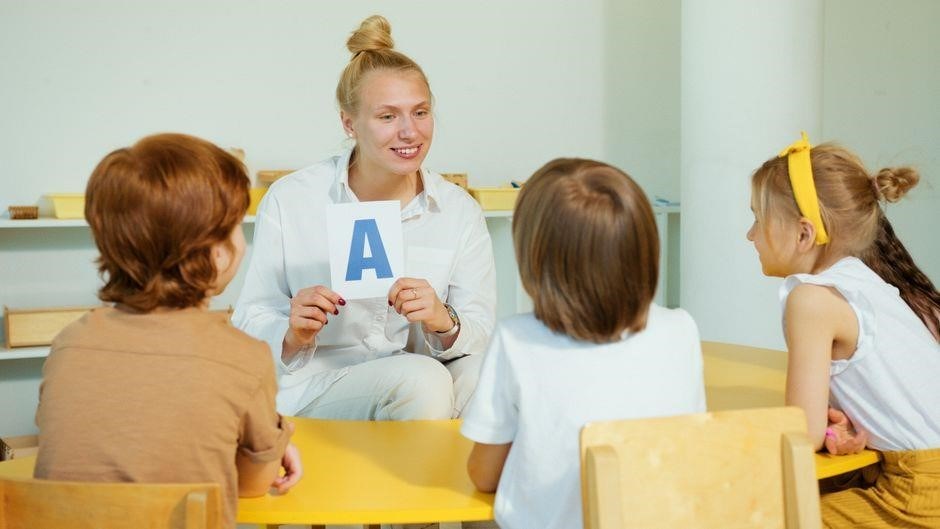
Lesson plans for 3-year-olds focus on play-based learning, with activities like sensory play and music, to promote cognitive development and social skills, using visual aids and storytelling to engage young learners, with flexible schedules and adaptive approaches to meet individual needs, and parent-teacher communication to ensure a supportive environment for all children, every day, always.
Importance of Early Childhood Education
Early childhood education is crucial for a child’s development and future success. It provides a foundation for social, emotional, and cognitive growth, and helps children develop essential skills like problem-solving and communication. A high-quality early childhood education program can have a lasting impact on a child’s academic achievement and life outcomes, and is essential for building a strong foundation for future success, with long-term benefits for individuals and society as a whole, every day, and always providing new opportunities for growth and development, and helping children reach their full potential, with dedicated teachers and supportive environments, making a positive impact on young lives, and shaping the future of our world, one child at a time, with love, care, and devotion, every step of the way, always.
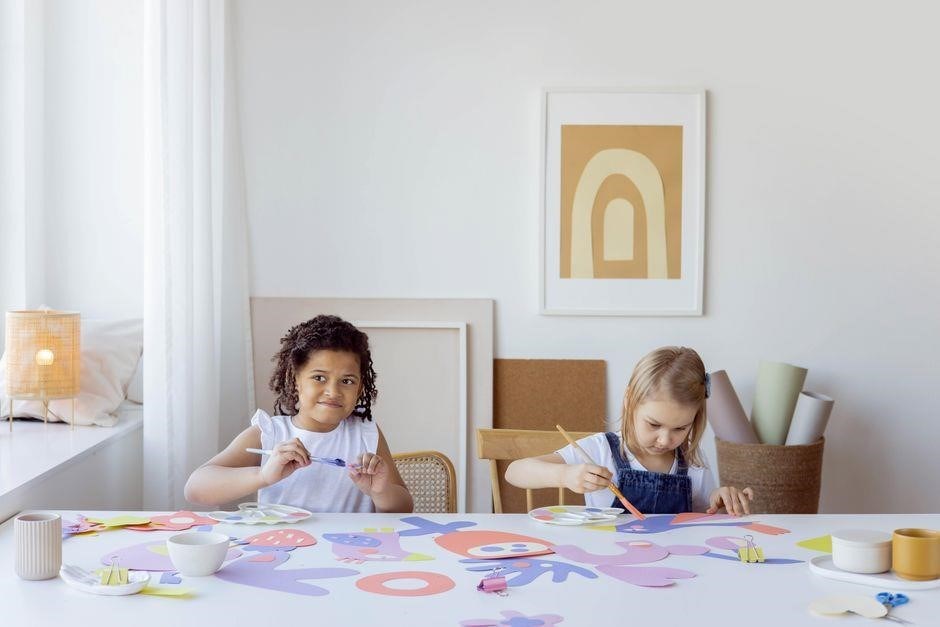
Pre-Reading and Literacy Skills
Focus on symbol recognition and story structure, using visual aids to build literacy foundations, with play-based activities to engage young learners, and interactive approaches to develop pre-reading skills, every day, with fun and exciting methods, always.
Building Understanding of Symbols and Story Structure
At 3 years old, children begin to recognize symbols and understand story structure, including beginning, middle, and end, with visual aids and interactive approaches, such as pictures and objects, to build literacy foundations, and play-based activities, like dramatic play and storytelling, to develop critical thinking and problem-solving skills, with repetition and routine, to create a supportive learning environment, that fosters curiosity and love for learning, every day, with fun and engaging methods, always, and opportunities for children to explore and discover new things, at their own pace, with guidance and support from teachers, to ensure a strong foundation for future academic success, and social-emotional development, with activities that promote self-awareness, self-regulation, and self-motivation, to help children develop into confident and capable individuals, with a love for learning that will last a lifetime, and prepare them for success in school and beyond, with skills that will benefit them for years to come, and create a strong foundation for future learning, and academic achievement, with opportunities for children to grow and develop at their own pace, with support and guidance from teachers, every step of the way, always.
Combining Awareness of Written Word with Pre-Writing
Combining awareness of written word with pre-writing skills, such as tracing and drawing, helps 3-year-olds develop fine motor skills and hand-eye coordination, with activities like scribbling and coloring, to build confidence and creativity, and introduce them to various writing tools, like crayons and markers, to explore and express themselves, with opportunities to practice and refine their skills, through play-based learning, and interactive games, that make learning fun, and engaging, with visual aids and real-life examples, to illustrate the connection between written word and pre-writing, and show how they build upon each other, to create a strong foundation for future writing skills, and literacy development, with activities that cater to different learning styles, and abilities, to ensure that all children have the opportunity to succeed, and reach their full potential, with support and guidance from teachers, every step of the way, always, and provide a solid foundation for future academic success, and personal growth, with skills that will benefit them for years to come, and help them become confident and capable writers, and communicators, with a love for learning that will last a lifetime.
Environmental Labeling and Signage
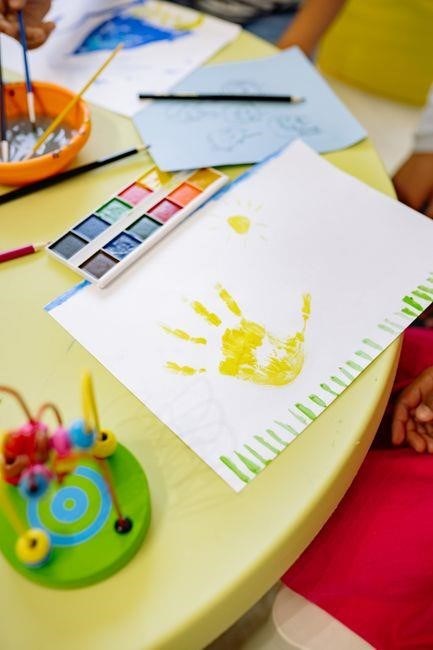
Use labels and signs to create a visual environment that supports learning, with words and pictures to identify objects and areas, and promote independence and self-discovery, every day, always, with clear and consistent labeling, to help children understand their surroundings.
Labeling in Multiple Languages and Adding Pictures
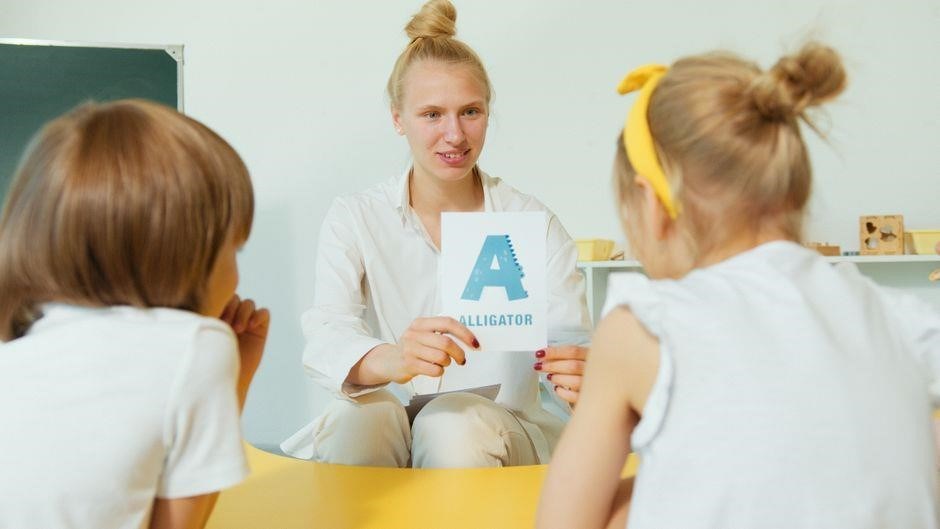
Using labels in multiple languages and adding pictures can enhance the learning environment, making it more inclusive and engaging for children, with visual aids to support language development and cultural awareness, and promote diversity and inclusion in the classroom, by providing opportunities for children to learn and grow in a supportive and stimulating environment, with teachers and staff who are trained and equipped to support the needs of all children, and parents who are involved and engaged in their child’s education, every day, always, with new and exciting ways to learn and play, and opportunities for children to explore and discover the world around them, in a safe and supportive environment, with access to resources and materials that support learning and development, and opportunities for children to develop their social and emotional skills, through play and interaction with peers and adults, and participation in classroom activities and events, that promote learning and fun, and help children to develop a love of learning that will last a lifetime.
Using Common Signs and Symbols
Using common signs and symbols can enhance the learning environment, by providing visual cues that support communication and navigation, such as stop signs and bathroom symbols, which can help children understand and follow classroom rules and procedures, and develop their problem-solving skills, through exposure to consistent and meaningful visual cues, that support their cognitive and social development, and promote a sense of independence and self-confidence, as they navigate the classroom and engage with learning activities, with teachers who model and reinforce the use of common signs and symbols, and provide opportunities for children to practice and apply their knowledge, in a supportive and inclusive learning environment, that fosters a love of learning and promotes social and emotional growth, with access to resources and materials that support the use of common signs and symbols, and opportunities for children to develop their fine motor and hand-eye coordination skills, through play and interaction with peers and adults, and participation in classroom activities and events, that promote learning and fun, and help children to develop a strong foundation for future academic success.
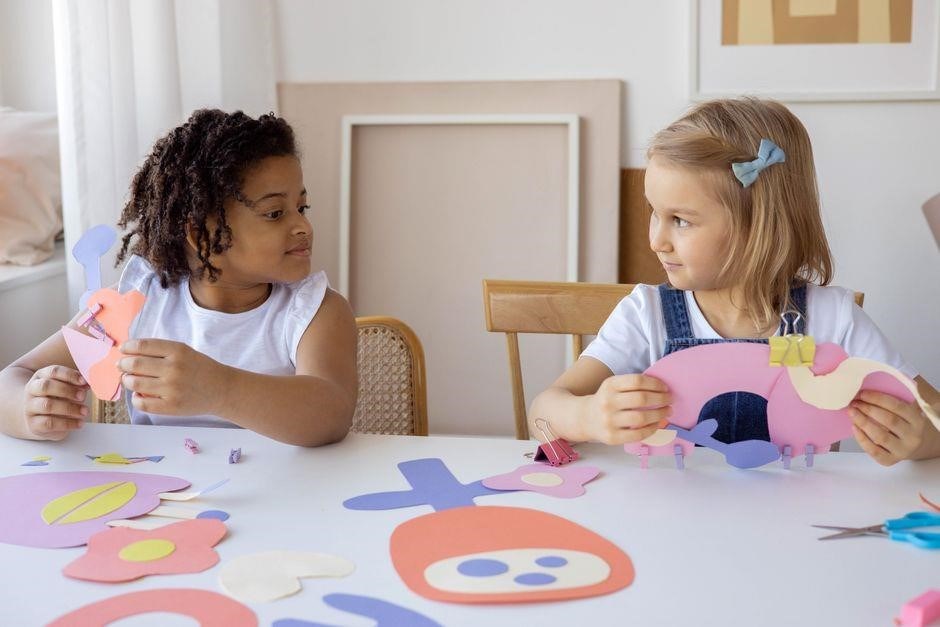
Interactive Learning Activities
Engage 3-year-olds with play-based activities, using music, movement, and art to promote learning and fun, with hands-on experiences that encourage exploration and discovery, every day, always, in a safe and supportive environment, with teachers who model and reinforce learning, and provide opportunities for socialization and growth.
Fingerplay and Active Writing with Songs and Rhymes
Use fingerplay and active writing with songs and rhymes to engage 3-year-olds, promoting fine motor skills and language development, with activities like signing the alphabet while singing, or spelling out children’s names to the tune of Bingo while writing out the letters, and incorporating movements and gestures to enhance learning and retention, making it a fun and interactive experience, with teachers who model and reinforce learning, and provide opportunities for socialization and growth, while also encouraging creativity and self-expression, and fostering a love for learning and music, every day, always, in a safe and supportive environment, with materials and resources that are accessible and engaging, and activities that are tailored to meet the needs and interests of each child, and promoting collaboration and teamwork among peers, and encouraging parental involvement and community engagement, to create a comprehensive and well-rounded learning experience, that supports the overall development of each child, and prepares them for future success, in all areas of life, always.
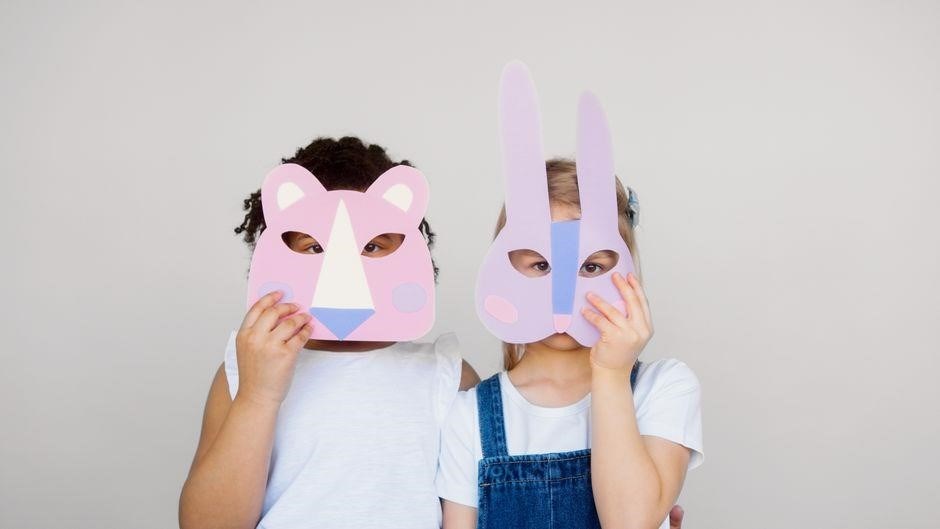
Storytelling with Puppets, Visuals, and Dramatic Acting
Use puppets, visuals, and dramatic acting to bring stories to life, captivating 3-year-olds and promoting language development, imagination, and creativity, with three-act structures and clear beginnings, middles, and endings, making it easy for children to follow and understand, and encouraging them to participate and engage with the storytelling process, using props and costumes to enhance the experience, and creating a sense of wonder and enchantment, while also developing social skills and emotional intelligence, and fostering a love for reading and storytelling, with teachers who model and reinforce learning, and provide opportunities for socialization and growth, every day, always, in a safe and supportive environment, with materials and resources that are accessible and engaging, and activities that are tailored to meet the needs and interests of each child, and promoting collaboration and teamwork among peers, to create a comprehensive and well-rounded learning experience, that supports the overall development of each child, and prepares them for future success, in all areas of life, always, with fun and engaging activities, that promote learning and development, every day.
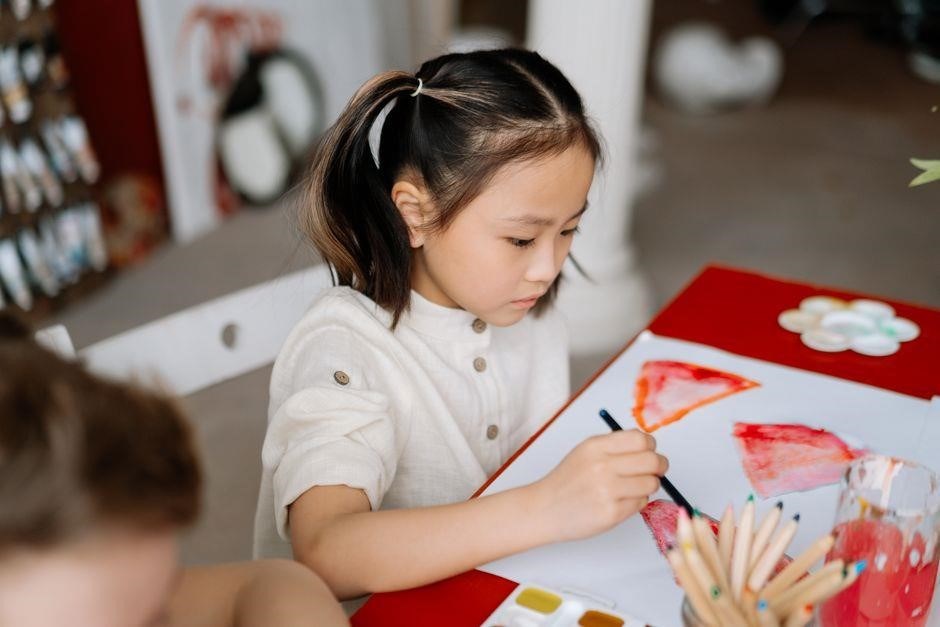
Practical Application and Storytelling
Use photos and captions to tell stories of activities, enhancing language skills and memory, with circle time and classic story signifiers, making learning fun and engaging, for 3-year-olds, every day, with visual aids and storytelling techniques, to promote learning and development, always.
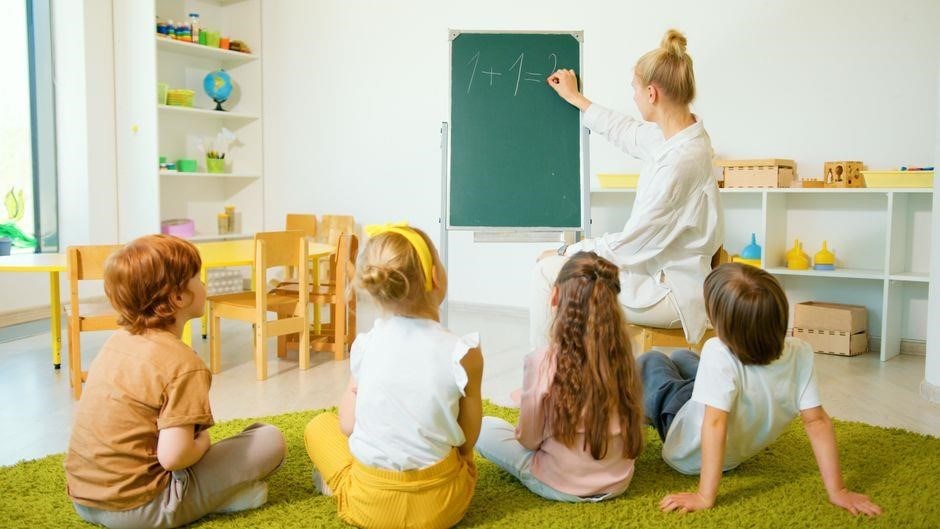
Using Photos and Captions to Tell Stories
Utilize digital cameras to capture special moments and create story sequences with captions, enhancing language skills and memory in 3-year-olds.
- Take photos of daily activities and events.
- Create captions to describe each photo.
- Use storytelling techniques to engage young learners.
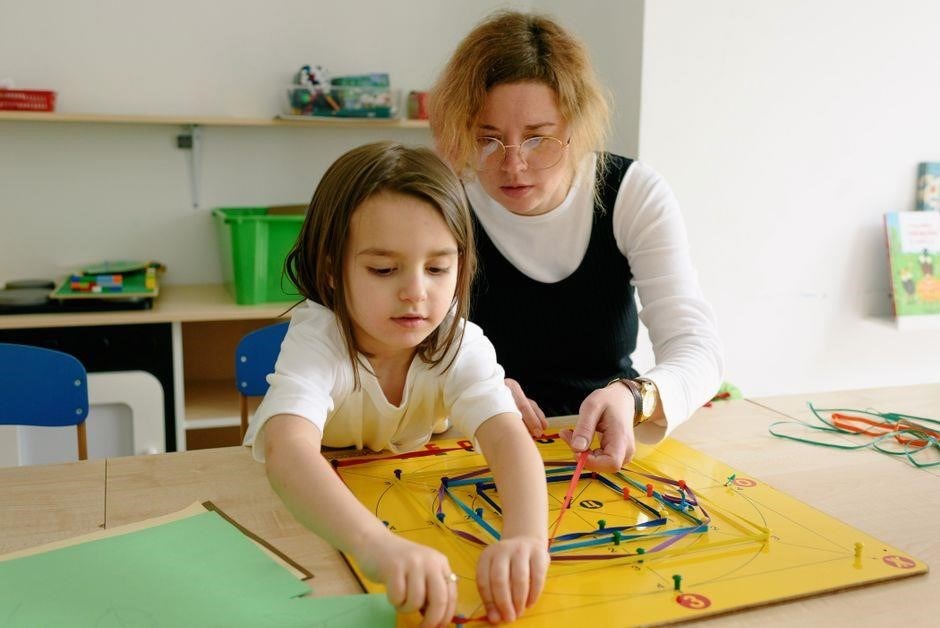
Benefits include improved language skills, increased memory, and enhanced creativity, making learning fun and interactive, with visual aids and storytelling, for 3-year-olds, every day, with practical application and real-life examples, to promote learning and development, always, in a supportive environment, with opportunities for growth and exploration, using technology and multimedia resources, to enhance the learning experience, and make it more engaging, for young learners, every day, with new activities and new challenges, to promote learning and development, always, in a fun and interactive way, with visual aids and storytelling techniques, to make learning fun, for 3-year-olds, every day.
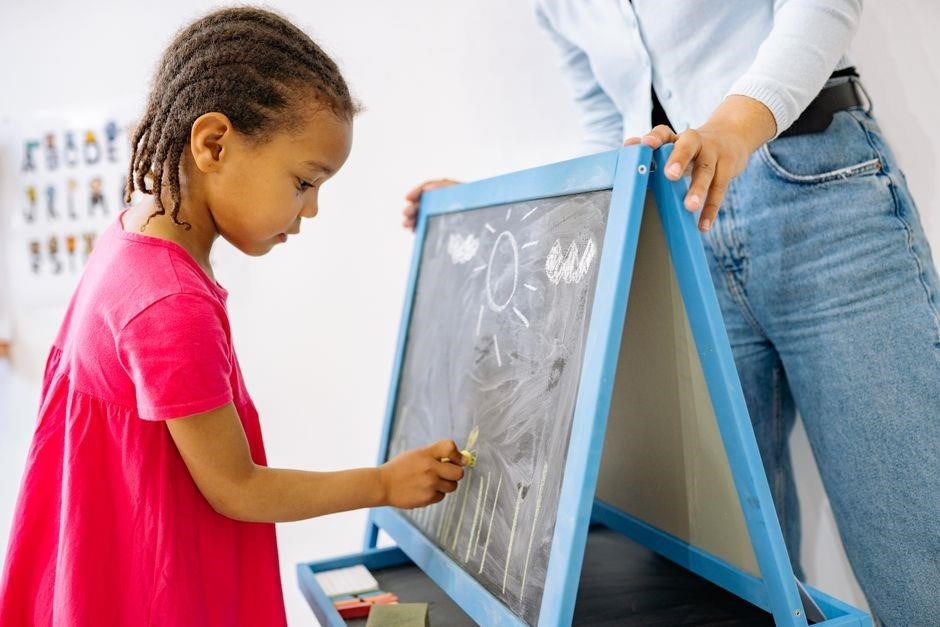
Reading Books and Exaggerating Page Turning and Book Handling
Engage 3-year-olds in reading activities by exaggerating page turning and book handling, making it a fun and interactive experience.
- Use big gestures when turning pages.
- Dramatize the opening and closing of books.
- Emphasize the cover and back of the book.
Benefits include developing fine motor skills, improving hand-eye coordination, and enhancing language skills, as children learn to appreciate the joy of reading, with exaggerated movements and expressive storytelling, creating a love for books and reading, in a playful and engaging way, always, with new books and new stories, to keep children interested and motivated, in a supportive environment, with opportunities for growth and development, using reading and storytelling, to make learning fun, for 3-year-olds, every day, with practical application and real-life examples, to promote learning and development, always, in a fun and interactive way, with visual aids and storytelling techniques, to enhance the learning experience, and make it more engaging, for young learners, every day.